

Your community has a lot to hear from you.
Social FD helps eligible nonprofit volunteer fire departments with social media tools, safety content, and website support.
Request Free Department Support →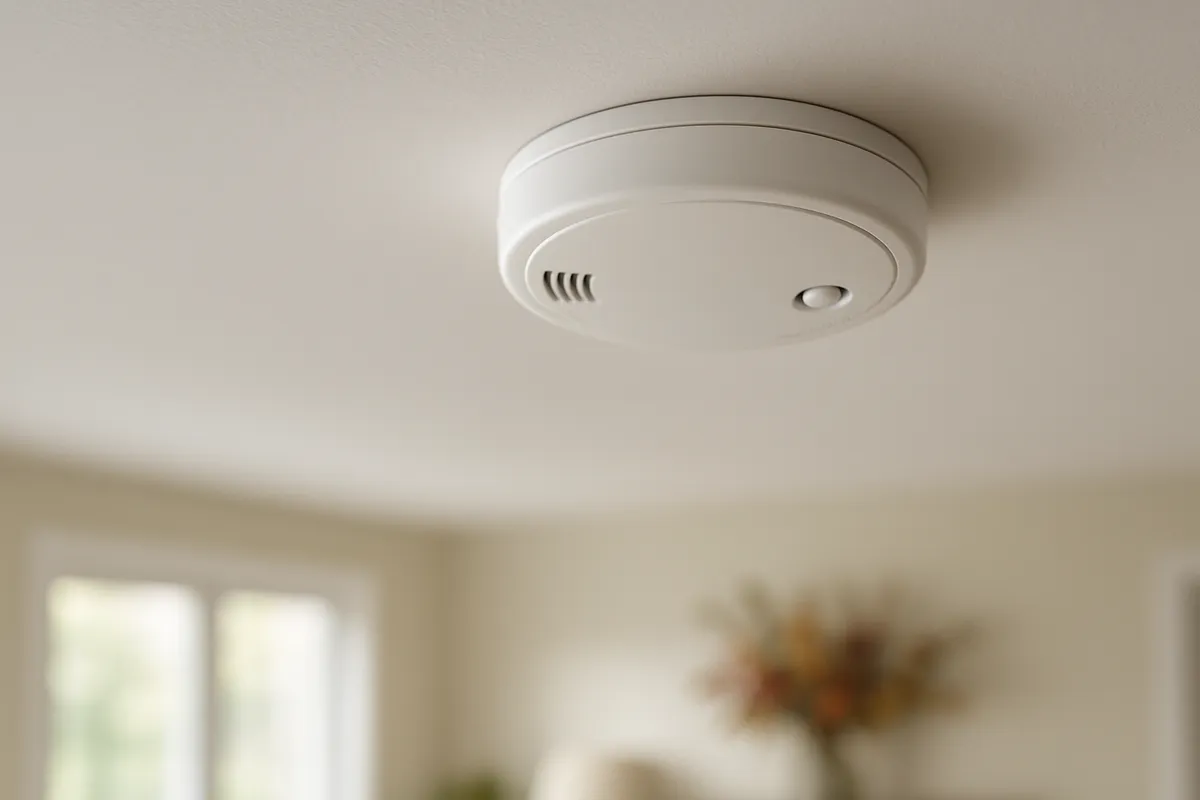
Fall brings cozy nights, family gatherings, and holiday decorations — times when fire safety matters more than ever. With more indoor activities like seasonal cooking, decorating, and hosting overnight guests, it's important to ensure your smoke alarms are ready to protect your home and loved ones.
The annual fall daylight-saving time clock change is a nationwide opportunity to test your smoke alarms and replace batteries if needed. The U.S. Fire Administration (USFA) recommends testing all smoke alarms every month and replacing batteries at least once a year.
Visit the USFA smoke alarms page for detailed info on testing and maintenance.
Many modern smoke alarms use sealed 10-year lithium batteries — these cannot be replaced independently. Do not remove or replace these sealed batteries with conventional ones. Instead, replace the entire alarm at the manufacturer’s recommended end of life.
This helps avoid common mistakes such as swapping a long-life battery for a shorter-life one or disabling the alarm altogether. For more on this, see the NFPA smoke alarms research.
Install smoke alarms inside and outside every sleeping area and on every level of your home, including the basement. Where possible, choose interconnected alarms so if one sounds, they all sound promptly.
This gives your family the best chance to be alerted quickly and safely exit if a fire starts. Hardwired installation should be done by a qualified electrician.
Holiday decorating and candle use can increase fire risks. To stay safe during festivities, follow these practical tips:
For more holiday fire safety advice, see USFA’s holiday fire safety page and lighting product safety tips from the Consumer Product Safety Commission (CPSC).
A chirping alarm is a warning sign that needs quick action. Replace batteries or the entire alarm according to the manufacturer instructions. Do not disable or remove your smoke alarms, even when cooking or during showers with steam.
Maintaining your alarms should be paired with practicing a home escape plan twice a year so everyone knows how to get out safely in an emergency.
Learn more about home escape planning and maintaining alarms on the USFA smoke alarms page.
Use these simple steps to keep your smoke alarms ready and your home protected. The fall clock change and upcoming holidays are perfect reminders to test your alarms, replace batteries or alarms as needed, follow holiday decorating safety tips, and rehearse your escape plan.
Your careful attention can help prevent fires and save lives during this busy time of year.
Social FD Inc. A Simple Post Can Save A Life.
Social FD helps eligible nonprofit volunteer fire departments with social media tools, safety content, and website support.
Request Free Department Support →Visit our free fire safety guide for information you can share with your family and community.
Get the Free Fire Safety Guide →