

Your community has a lot to hear from you.
Social FD helps eligible nonprofit volunteer fire departments with social media tools, safety content, and website support.
Request Free Department Support →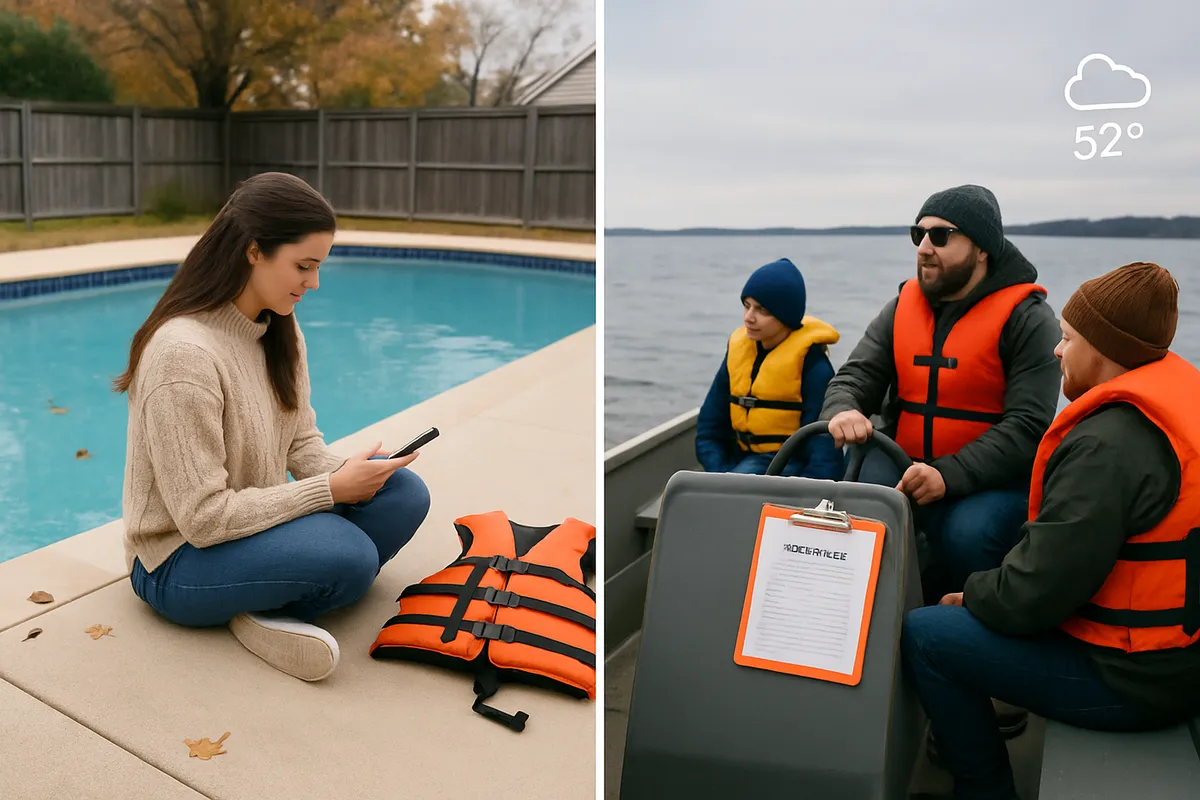
As autumn deepens across the United States and water temperatures drop, the risks associated with water activities increase significantly. Cooler water can lead to rapid incapacitation, making fall and late October particularly critical times for heightened water safety awareness. Whether you are a caregiver supervising young children or a recreational boater planning a day on the water, layering preventative measures remains essential to reduce drowning risk and related injuries.
Unlike cold air, cold water extracts body heat far more quickly, causing cold-water shock, rapid involuntary breathing, and loss of muscle control. Even when the air feels mild, immersion in cold water can cause these effects within seconds to minutes, severely complicating efforts to self-rescue or stay afloat. Hypothermia can set in faster than most anticipate, increasing the urgency of preventive actions over rescue efforts once someone is in the water (weather.gov).
Drowning remains the leading cause of death among children ages 1 to 4 in the U.S. and can happen silently and quickly. At home, this risk extends beyond backyard pools to include bathtubs, portable pools, buckets, and even decorative water features.
For boaters, paddlers, and anyone spending time near natural waters, wearing a properly fitted, U.S. Coast Guard–approved life jacket can be lifesaving. About 85% of drowning victims in boating accidents were not wearing a life jacket at the time of death. Life jackets conserve energy and improve chances of survival in cold water while awaiting rescue.
Select a type and size specific to the intended activity and user’s body. Inflatable jackets offer comfort but require proper maintenance and are not recommended for weak or non-swimmers. Child life jackets differ from adult sizes; ensure children wear age-appropriate and correctly fitted devices (uscgboating.org).
Before venturing out in any watercraft or engaging in fishing or swimming, check local weather forecasts and water temperatures. Cold water can be deceptive when air temperatures remain relatively warm. Dressing appropriately with wetsuits or drysuits for situations involving cold water exposure is vital.
Filing a float plan with someone who will expect your timely return and carrying reliable communication devices (like VHF radios or emergency beacons) enhances safety and expedites rescue efforts if needed. Avoid alcohol consumption both while supervising children and during boating or swimming activities, as alcohol impairs judgment and accelerates hypothermia effects (weather.gov).
Each region and local body of water may vary widely in temperature and hazards. Always consult local National Weather Service offices and health or boating agencies for current conditions and advisories before any water activity.
Cooler water means higher risk—layer your protections to keep your loved ones safe.
Social FD reminds you: A Simple Post Can Save A Life.
Social FD helps eligible nonprofit volunteer fire departments with social media tools, safety content, and website support.
Request Free Department Support →Visit our free fire safety guide for information you can share with your family and community.
Get the Free Fire Safety Guide →