

Your community has a lot to hear from you.
Social FD helps eligible nonprofit volunteer fire departments with social media tools, safety content, and website support.
Request Free Department Support →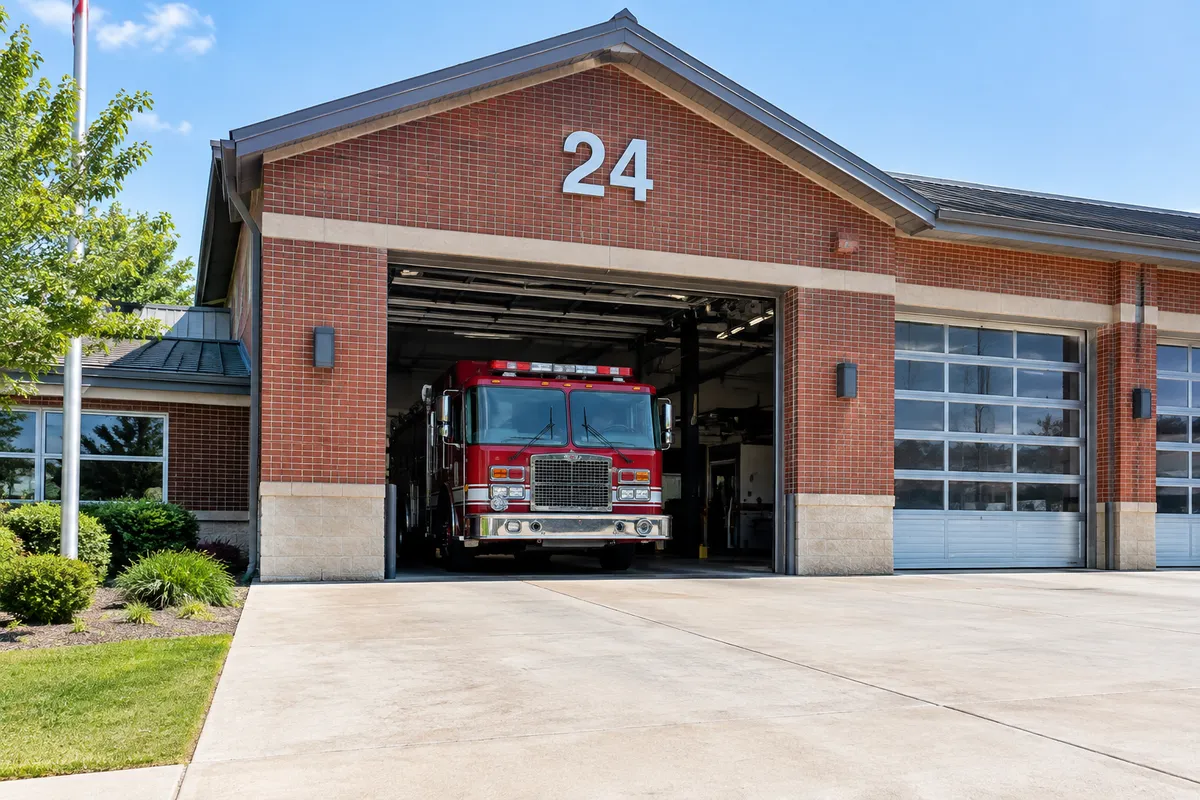
Cover image: AI-generated illustration, not a photograph of a specific department, incident, person, or authenticated artifact.
Fire stations across the United States operate daily with a fundamental commitment to readiness, where structured routines keep firefighters, apparatus, and equipment prepared for rapid response. While specifics vary by department size, staffing, and community needs, official fire department webpages and national fire safety guidance highlight consistent patterns of regular equipment inspections, station upkeep, training, and operational coordination as essential practices behind the firehouse doors.
Fire stations emphasize constant preparedness through routine checks designed to keep apparatus, tools, radios, medical supplies, and personal protective equipment (PPE) in an immediate response state. For example, Fort Lauderdale Fire Rescue reports daily and preventive maintenance inspections, performed by crews and station officers, as a key responsibility to ensure vehicles and gear are ready for action at a moment’s notice. These daily routines help catch potential mechanical or supply issues before they become critical during an emergency call [fortlauderdale.gov]. Similarly, the U.S. Fire Administration advises documented, frequent apparatus and PPE checks and maintenance to uphold operational readiness and safety standards [usfa.fema.gov].
Fire stations also systematically inventory, inspect, and maintain turnout gear to ensure protective equipment meets serviceability standards. Given the health risks associated with contaminant exposure after fire incidents, many departments incorporate station-level gross decontamination practices to reduce carcinogen exposure and return gear to service. The National Volunteer Fire Council (NVFC) outlines such decontamination and return-to-readiness routines as a standard for volunteer and combination departments nationwide, supporting firefighter health alongside readiness [nvfc.org].
Beyond equipment, fire station duties extend to maintaining a clean, orderly environment that supports quick, safe responses. This includes cleaning apparatus bays, living quarters, grounds maintenance, and ensuring clear access to emergency exits and hydrants. Raleigh and Fort Lauderdale fire departments describe these tasks as routine and essential for operational efficiency and community interaction. Stations often serve as community hubs offering Safe Place services and education events when crews are available, highlighting the importance of well-kept, accessible facilities [raleighnc.gov] [fortlauderdale.gov].
Fire stations are active training centers where crews conduct daily or scheduled drills, classroom instruction, and hands-on exercises. This ongoing training maintains individual skills and fosters teamwork critical for diverse emergency scenarios. The NVFC highlights the use of station facilities for scenario-based training, instructor development, and retention programs, particularly in volunteer and combination departments, ensuring continuous growth and readiness [nvfc.org].
Fire station leadership actively coordinates personnel assignments, equipment readiness, and operational logistics to meet nationally recognized response time benchmarks. Fort Lauderdale’s fire rescue department, for example, uses real-time monitors and deployment strategies within stations to keep crews alert and rapid in response. This organized oversight is critical for meeting community expectations of dependable emergency service [fortlauderdale.gov].
Fire station routines—though often unseen by the public—are essential for preparing firefighters and preserving lifesaving capabilities. Through meticulous gear checks, dedicated training, disciplined cleanliness, and vigilant leadership, stations nationwide sustain a state of readiness that ensures fast, effective emergency responses. By understanding and supporting these behind-the-scenes efforts, communities help foster safer neighborhoods while honoring the commitment of their local fire service personnel.
Social FD Inc. thanks all firefighters and departments dedicated to daily preparation and readiness. A Simple Post Can Save A Life.
Social FD helps eligible nonprofit volunteer fire departments with social media tools, safety content, and website support.
Request Free Department Support →Visit our free fire safety guide for information you can share with your family and community.
Get the Free Fire Safety Guide →