

Your community has a lot to hear from you.
Social FD helps eligible nonprofit volunteer fire departments with social media tools, safety content, and website support.
Request Free Department Support →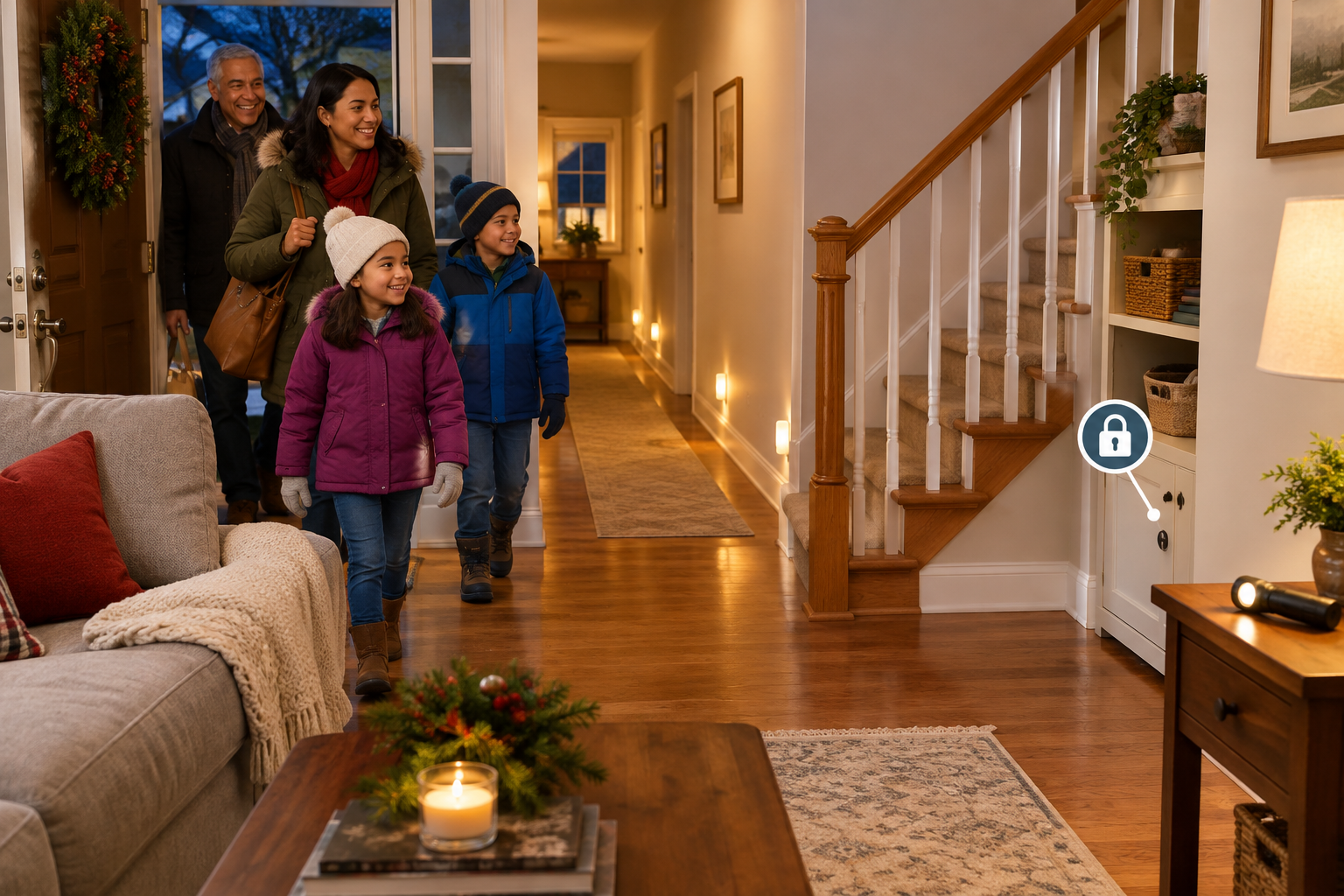
As the fall and holiday season approaches, many households prepare to welcome multigenerational family members and guests. This increased activity, along with shifting routines and lighting changes, can raise the risk of falls, trips, and accidental poisonings, especially for older adults and children. Social FD brings you important, evidence-backed home safety tips to help make your home safer and visits more enjoyable for everyone.
Falls are the leading cause of fatal and nonfatal injuries among adults aged 65 and older. Each year, one in four older adults experiences a fall, and those who fall once are twice as likely to fall again. Hip fractures are among the most serious injuries from falls and can profoundly affect independent living and recovery.
Simple home modifications dramatically reduce fall risk. The U.S. Fire Administration (USFA) recommends removing boxes, newspapers, electrical and phone cords from walkways, moving coffee tables and plant stands away from walking paths, and taping down or removing loose rugs. Adding nonslip mats in bathtubs or showers and installing grab bars can further improve bathroom safety.
Additionally, ensuring handrails on both sides of stairways and placing night lights on routes frequently used between bedrooms and bathrooms enhance visibility and stability when navigating the home at night or in low light conditions (USFA).
Before guests arrive, especially older adults or young children unfamiliar with your home, conduct a quick safety assessment focused on key fall and trip hazards. Use this short checklist:
This checklist is derived from proven recommendations to reduce falls and create a safe environment for all family members (USFA).
With more people in the home and holiday-related items like gifts and decorations, poison risks increase — especially from medications, household cleaners, and small objects containing button or coin batteries.
The Consumer Product Safety Commission (CPSC) advises always storing medicines in their original child-resistant containers, locked away or out of children’s reach, and never referring to medicine as “candy.” It’s also important to review any unused medications and dispose of them safely according to local take-back programs.
For older adults managing multiple prescriptions, clinical consultation to evaluate medicines that may cause dizziness or drowsiness is recommended, as these side effects can increase fall risk.
Small battery-containing devices should have secured compartments, and loose batteries should never be left accessible to children. Laundry packets, household cleaners, and toys with button batteries demand special attention during busy times (CPSC).
Power outages become more common during fall and winter storms and may happen during holiday gatherings. Planning reduces the risk of trips and food safety issues during outages:
Fire departments and community health agencies often provide home safety assessments and education designed to reduce fall and poisoning risks among older adults. For example, the Fire-Safe Seniors Program offers resources and toolkits for conducting comprehensive home visits, including safety checks and education for seniors, their families, and caregivers.
Engaging with these programs can provide personalized guidance and support tailored to your household.
For printable home safety checklists and detailed brochures, visit CDC's STEADI fall prevention materials and CPSC’s Poison Prevention resources linked below.
Taking these practical steps can make your home safer for all ages during busy holiday visits and beyond. Small fixes mean safer visits — and peace of mind for you and your loved ones.
Social FD is proud to support safer homes nationwide. Remember, A Simple Post Can Save A Life.
Social FD helps eligible nonprofit volunteer fire departments with social media tools, safety content, and website support.
Request Free Department Support →Visit our free fire safety guide for information you can share with your family and community.
Get the Free Fire Safety Guide →